
At a Glance
What goes into an effective annual video content strategy?
An effective 2027 video strategy balances proactive scheduling, budget efficiency, and multi-format delivery. It prioritizes capturing seasonal B-roll before Q4 ends, repurposing existing archival footage, locking down high-profile interviews months in advance, and maximizing single shoot days into multi-platform assets.
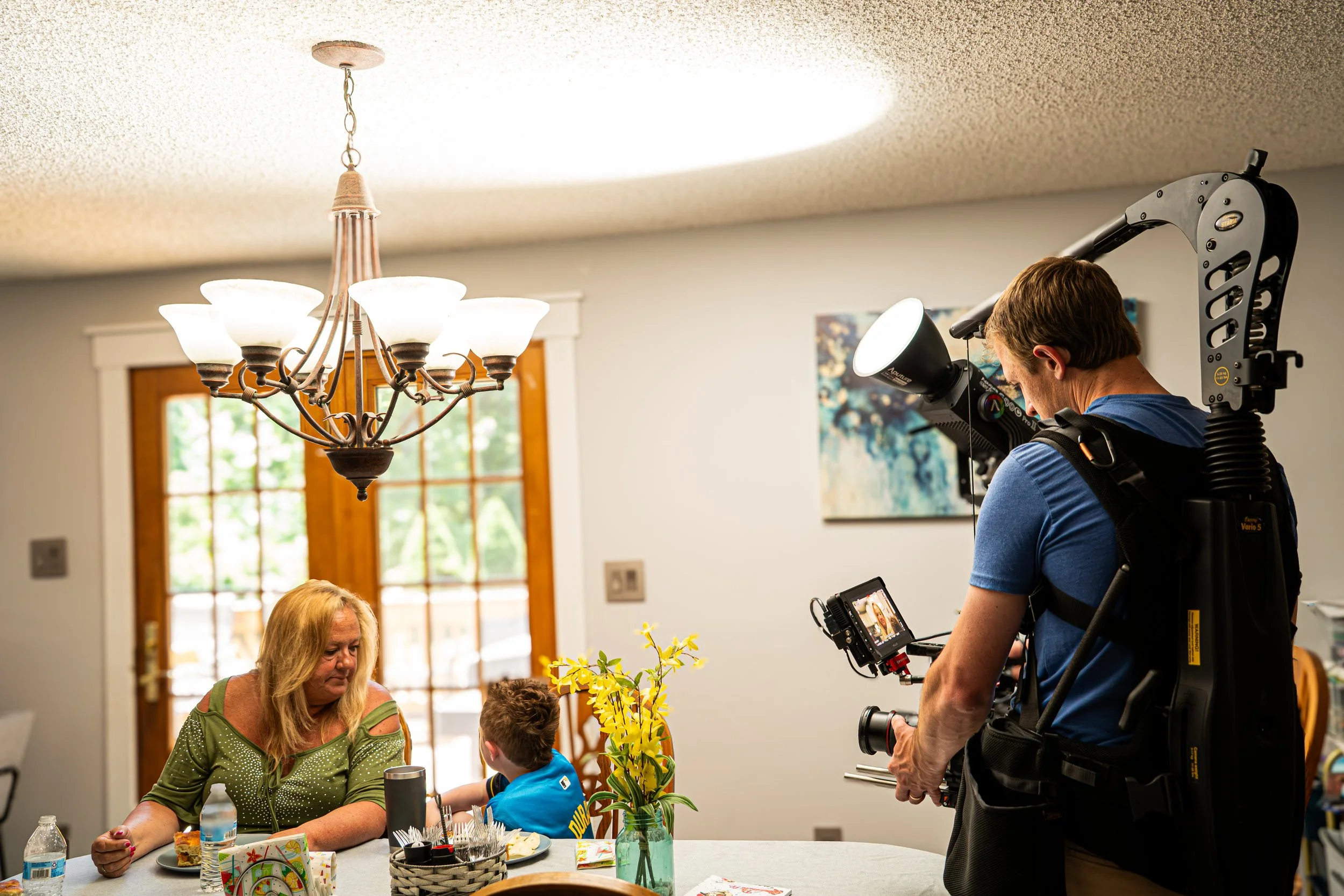
It’s the fourth quarter, which means you’re probably in the midst of wrapping up any remaining priorities and beginning to look ahead at what next year might bring for your marketing efforts.
Whether your budgets reset on January 1, or if your fiscal timeline is mid-year, the change of a calendar from one year to the next is always a good time to reevaluate what has converted for you, and where change may need to happen.
So here are a few ways to think through building an effective content strategy for 2027.
1. Capture Seasonal B-Roll Before Q4 Closes
You would be shocked to learn how often we hear “we really should’ve captured drone shots of our campus at peak foliage”, or “a shot of the charity work we do around the holidays would have helped tell the story of our culture so well".
It takes a little foresight, but the reality is, if you’re going to need those shots in next year’s video content, you have to be capturing them now.
This is the best way to make use of any leftover money you have in your yearly budget. A little bit goes a long way here. This may not be the time to film a whole new commercial or campaign, but paying for one camera operator to spend a day capturing content you can use all next year is worth its weight in gold.
2. Map an Annual Video Wishlist Across Campaign Milestones
Planning for a new year is the time to think big. Make a list of every piece of content you’d like to achieve in the coming year, and prioritize them in order of importance. Of course you don’t have to do all of them if they don’t fit the budget, or if another priority takes precedent. But it’s way better to be proactive than reactive.
When you’re reacting, you’re spending a lot of your time trying to play catch up.
When you’re proactive, you allow for enough time to properly plan the content that’s going to become most successful.
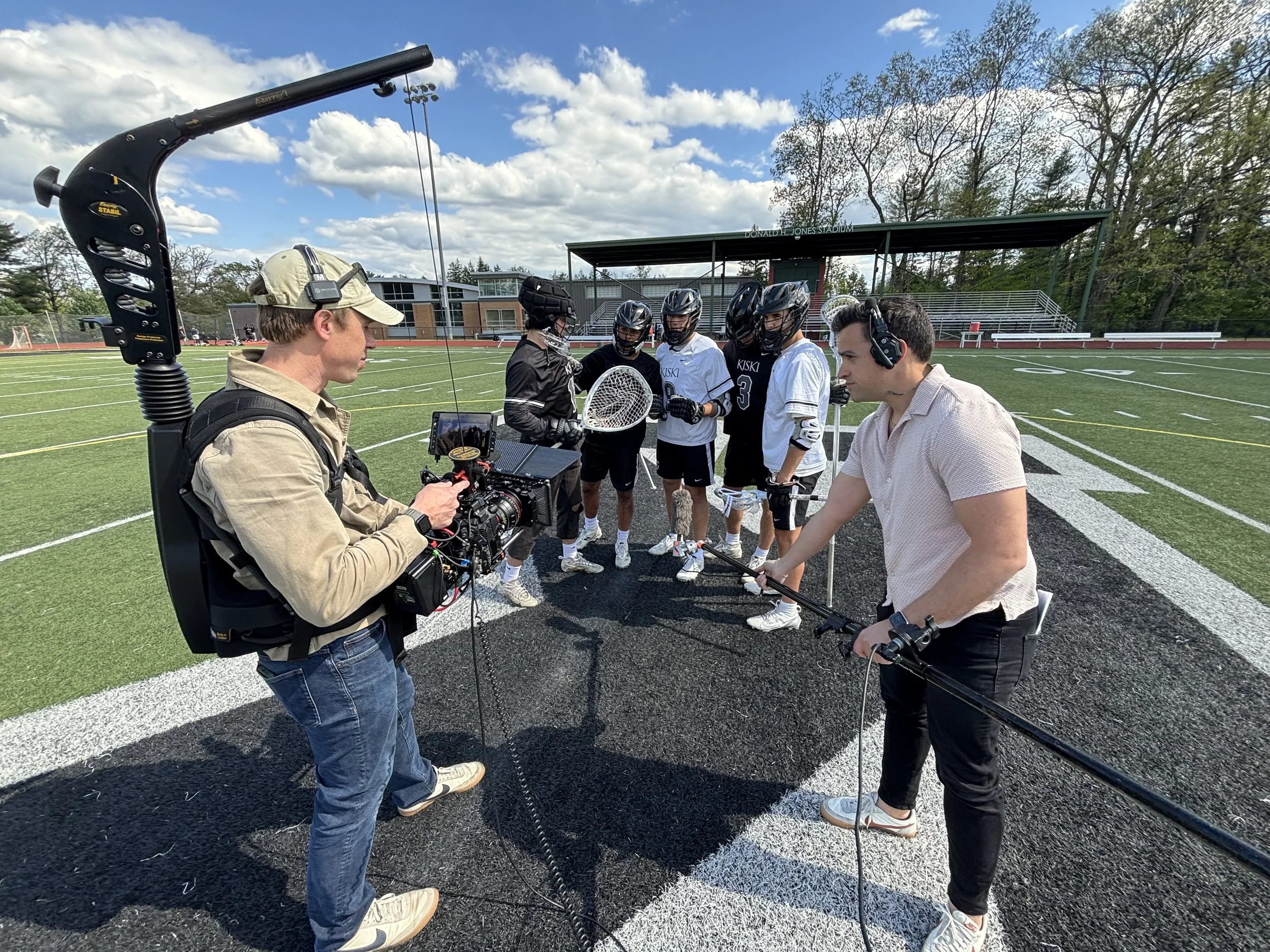
3. Batch Production Days for Multi-Platform Deliverables (16:9 & 9:16)
We’re not telling you anything you don’t know: the expectation for your brand is to be on many platforms. Maybe you’re advertising on traditional platforms or maybe you’re not. But what you are doing is building content for your website, for YouTube, for every social platform, in horizontal, and in vertical.
You have to be where your consumers are.
But with planning, it’s not as daunting as it sounds.
One or two shoot days, strategically scheduled and properly planned, can lead to dozens of pieces of content that you put out on social media throughout the year.
For most brands, businesses, and organizations, this is the way.
4. Audit Your Video Archives for Fast Content Repurposing
Before planning completely new productions, review your top-performing assets from the past two years. If you’ve created case studies, webinars, testimonials, or brand films that have done well for you, a lot of times, you’re going to have hours of B-roll and compelling sound bites that never saw the light of day. After all, no matter how great that 30 minute interview was, there’s only so much you can fit into one deliverable. That doesn’t mean that content should die.
Simply refreshing graphics, re-cutting vertical micro-content, or updating end-cards requires a fraction of the budget of a new shoot. And it frees up resources for taking a bigger swing later in the year.
Just this year, we helped our client Devereux turn 5 years of archived interview material from around the country into 20 brand new, social-focused team member stories that they’re using on social media to build a deeper connection with the families they serve. Minimal cost, maximum impact.
5. Lock in Executive and VIP Shoot Schedules in Q1
B-roll and scripted brand shoots are easy to schedule.
But working with VIPs can be a little more tricky. A lot of our shoots involve busy founder/owners, clinicians, external clients, or C-suite executives, and scheduling those can be more of a challenge.
So if your 2027 video production strategy is going to rely heavily on social proof, client testimonials and case studies, or thought leadership, your outreach needs to start in Q1, even if the actual shoot dates will be in Q2 or Q3.
Otherwise, you’ll be spending a lot more time chasing schedules and less time making the impact in the marketplace you’re hoping to make.
Working With an External Video Partner: Other Key Considerations
Loop in your partner for idea brainstorming, not just execution.
Explore whether quarterly or yearly retainers might save you money over seeking bids for every one-off project you have.
Build an agency onboarding kit (that has your brand logos, fonts, colors, etc.) that’ll be ready to send.
Budget for distribution, not just creation. Strategic spending on certain channels meets your customers where they are.
Content Planning - Frequently Asked Questions
-
For standard brand videos and B-roll, 4 to 6 weeks of pre-production is standard. However, when filming executives, busy clinicians, or external clients, outreach should begin 3 to 6 months in advance (ideally in Q1 for Q2/Q3 production) to secure availability.
-
This answer is entirely determined by how well the project gets planned. With strategic pre-production, a single shoot day can yield 10 to 20+ distinct assets. By capturing simultaneous horizontal (16:9) and vertical (9:16) footage alongside secondary audio b-roll, footage can be edited into a flagship brand video, targeted paid ads, client testimonial snippets, and short-form social reels.
-
Yes. Booking shoots on a quarterly or annual retainer generally reduces overall costs compared to one-off project bids. Retainers lock in volume crew rates, eliminate repetitive contracting cycles, and secure preferred calendar dates before agency schedules fill up.