
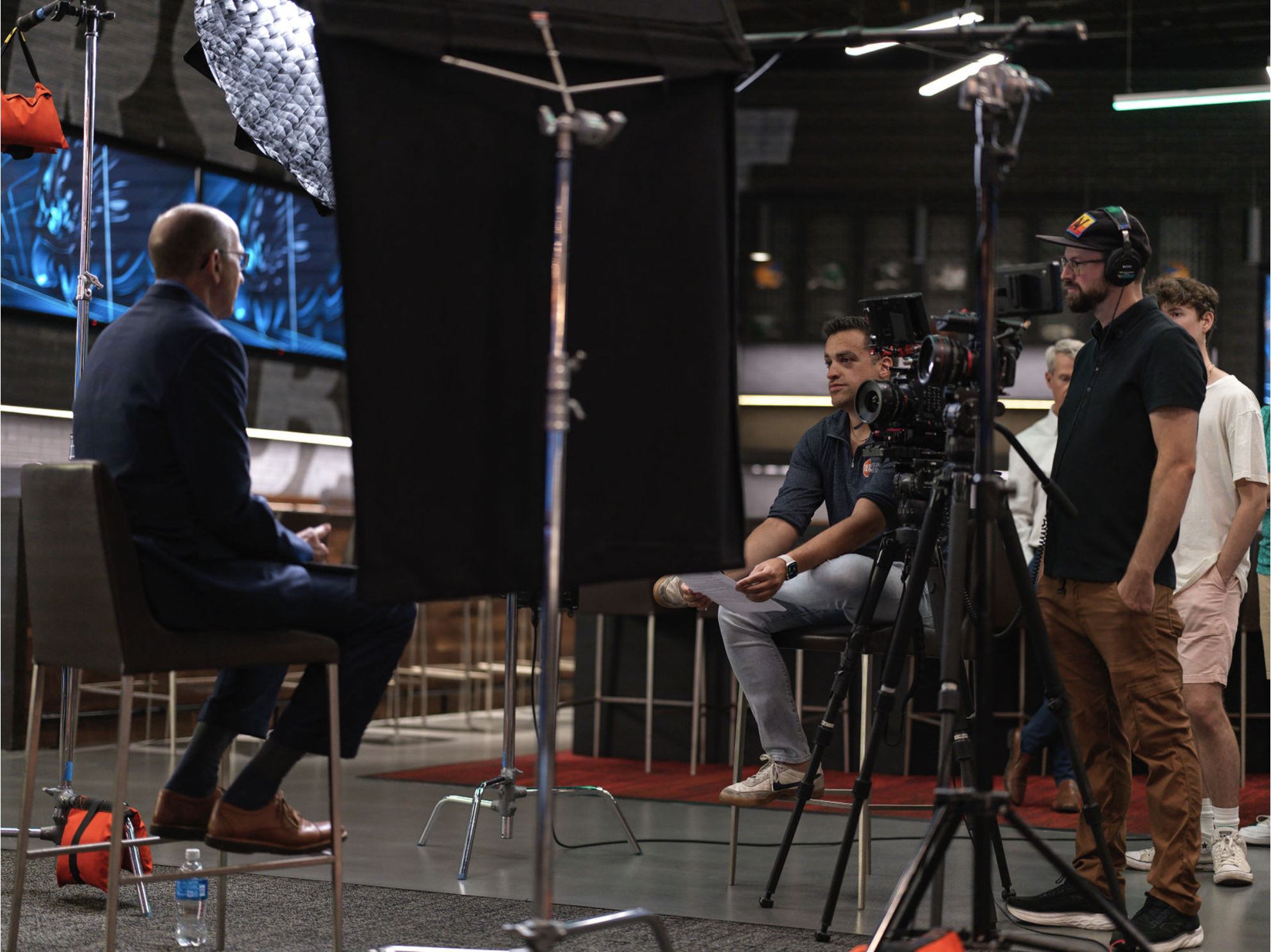
The approach to corporate video, healthcare video, and branded content might be different, but the one similarity they all need is natural, authentic, unscripted interview responses.
If your testimonial style video production sounds scripted and stiff, you’re probably making the mistake of interviewing, not having a conversation.
The secret to getting a great testimonial is simple:
Create a relaxed environment first.
Get the talent to trust you.
Stop reading from a list of questions.
In 15 years of producing videos, I’ve probably interviewed more than 5,000 people. And one of the things I constantly remind myself of is: this is something I do every day, but for most of the people I’m interviewing, it’s their first time on camera.
We’ve had the unique opportunity to tell some pretty incredible personal stories over the years. Some of them have been about loss, battles with illness, and turning tragedy to triumph. But imagine having to be so vulnerable to a total stranger with a couple of cameras and a bunch of lights in your face. It’s not easy.
So my approach is to lead with a gentle touch.
We start by talking with the talent ahead of time. If we can do a pre-interview, it helps set up the filming for success. I want to introduce myself and my team who they’ll be working with, and I want to ask all of the hard questions in that first conversation. That way, when we show up on set, it’s not the first time they’re seeing our faces, or hearing our voices, or thinking through what we’re going to talk about.
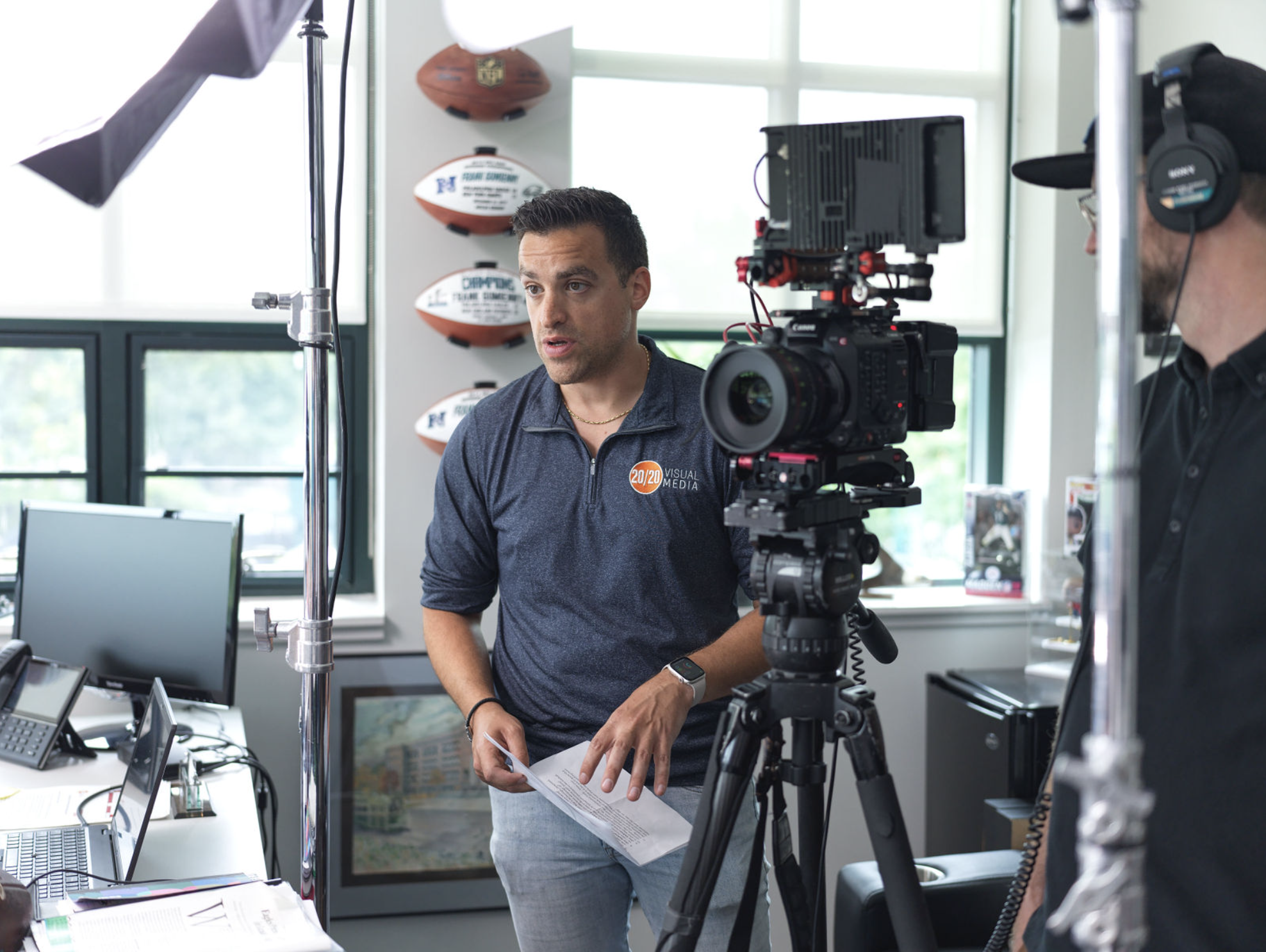
I’m using that pre-interview time to get to know their story so well that when it comes time to film, I don’t necessarily need a list of questions in front of me. I know exactly what our client’s goals are, and exactly what the talent is going to contribute to the final piece. There’s nothing wrong with having questions as a roadmap, but I want to be able to look into the eyes of the people I’m talking with, not down at a piece of paper.
The next thing we do is make sure that, while all of the equipment is being set up, we’re spending time with the talent just getting to know each other. This is the time where I'm not necessarily talking about the project. I’m just trying to get them warmed up. Maybe I’m asking them about where they grew up, or their last family vacation.
Finally, when we’re getting ready to roll, I remind people that we have the luxury of editing. So if something they say just doesn’t come out right, we always have the ability to try it again. It sets people at ease to know they don’t have to nail it on the first attempt.
If I can build trust and become their safety net, the moment we're ready to roll becomes instantly less pressure-packed. What’s left is something natural, comfortable, and most importantly, authentic.